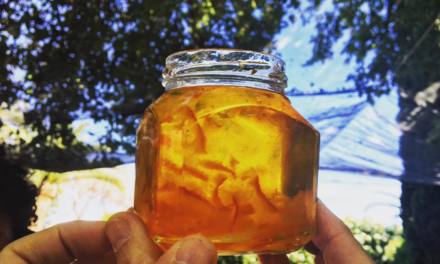
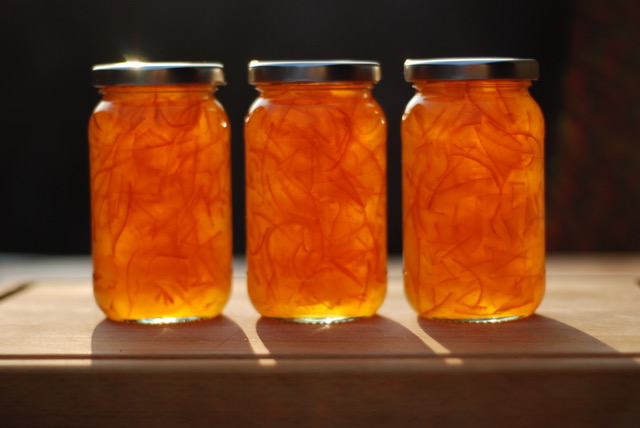
Marmalade is much more than a simple breakfast spread; it is a historic, culturally significant citrus preserve with a unique, bittersweet profile. Unlike jams, traditional marmalade is made from citrus fruits—most notably Seville oranges—where the peel is suspended in a jelly-like base.
Here are the most important things to know about marmalade
Origins and Name: The word “marmalade” derives from the Portuguese marmelada, which originally referred to a quince paste (a thick, solid, sliceable sweetmeat).
The “British” Invention: While originating from Portuguese quince paste, modern spreadable orange marmalade was perfected in Scotland in the 18th century, with the Keiller family of Dundee credited with its commercial, widespread production.
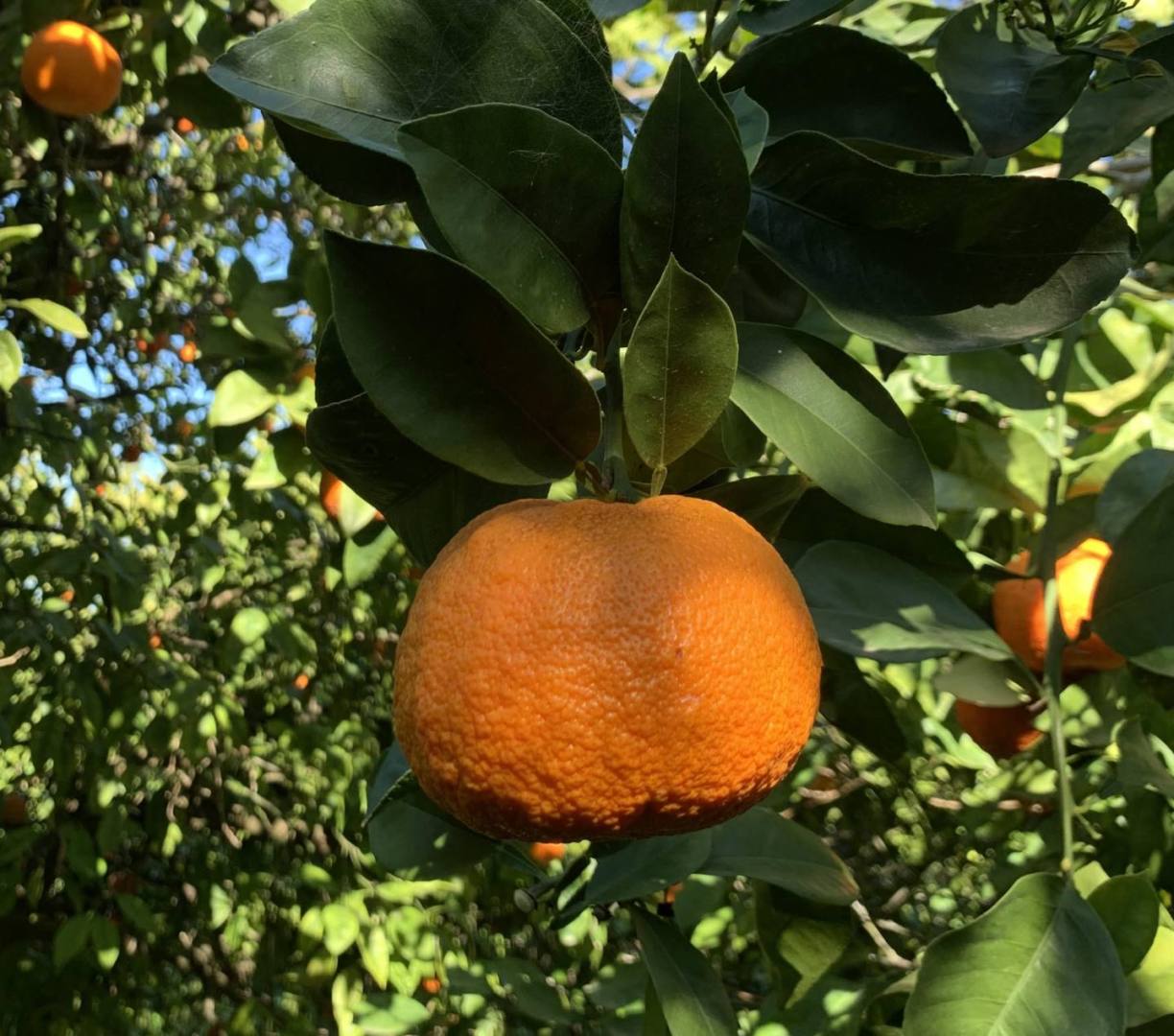
The Vital Ingredient (Seville Oranges): True, traditional marmalade requires bitter, or Seville, oranges (Citrus aurantium). These are rarely eaten raw but are perfect for marmalade because they are exceptionally high in pectin, which ensures a proper “set,” and provide a signature tangy, bitter flavor.
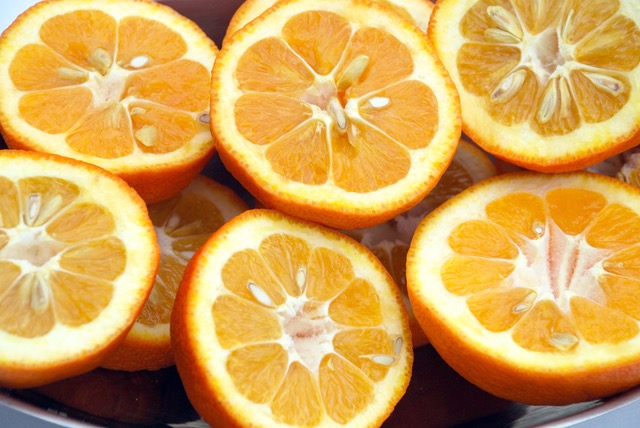
Seasonal Ritual: In the UK, making marmalade is a deeply rooted winter tradition, coinciding with the short, early-year season of Seville oranges, allowing families to “bottle sunshine”.
Cultural Significance & Symbolism: It is deeply intertwined with British identity, appearing as a staple in literature (Jane Austen), wartime rations (fed to sailors to prevent scurvy), and popular culture (the favorite food of Paddington Bear).
Nutritional Aspects: While high in sugar, marmalade contains antioxidants and, unlike many other preserves, utilizes the peel, which adds fiber and a unique bitterness.
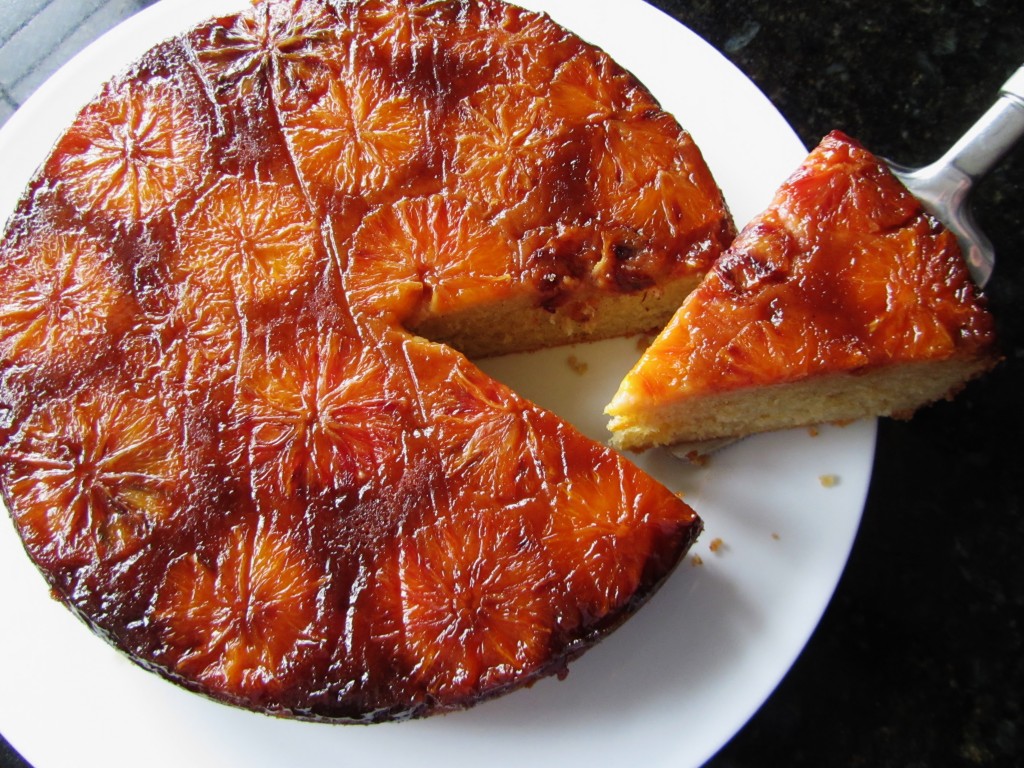
Culinary Versatility: Beyond toast, it is used as a savory glaze for poultry, duck, and pork, as well as an ingredient in cakes, cocktails (e.g., in a martini), and in cheese pairings.
Production Distinction: Legally in some regions (like the EU), “marmalade” is strictly defined as a preserve made only from citrus fruit, distinguishing it from “jam”.